

Dealing with an empty property
Properties come with their own burdens such as maintenance, heating and tax.
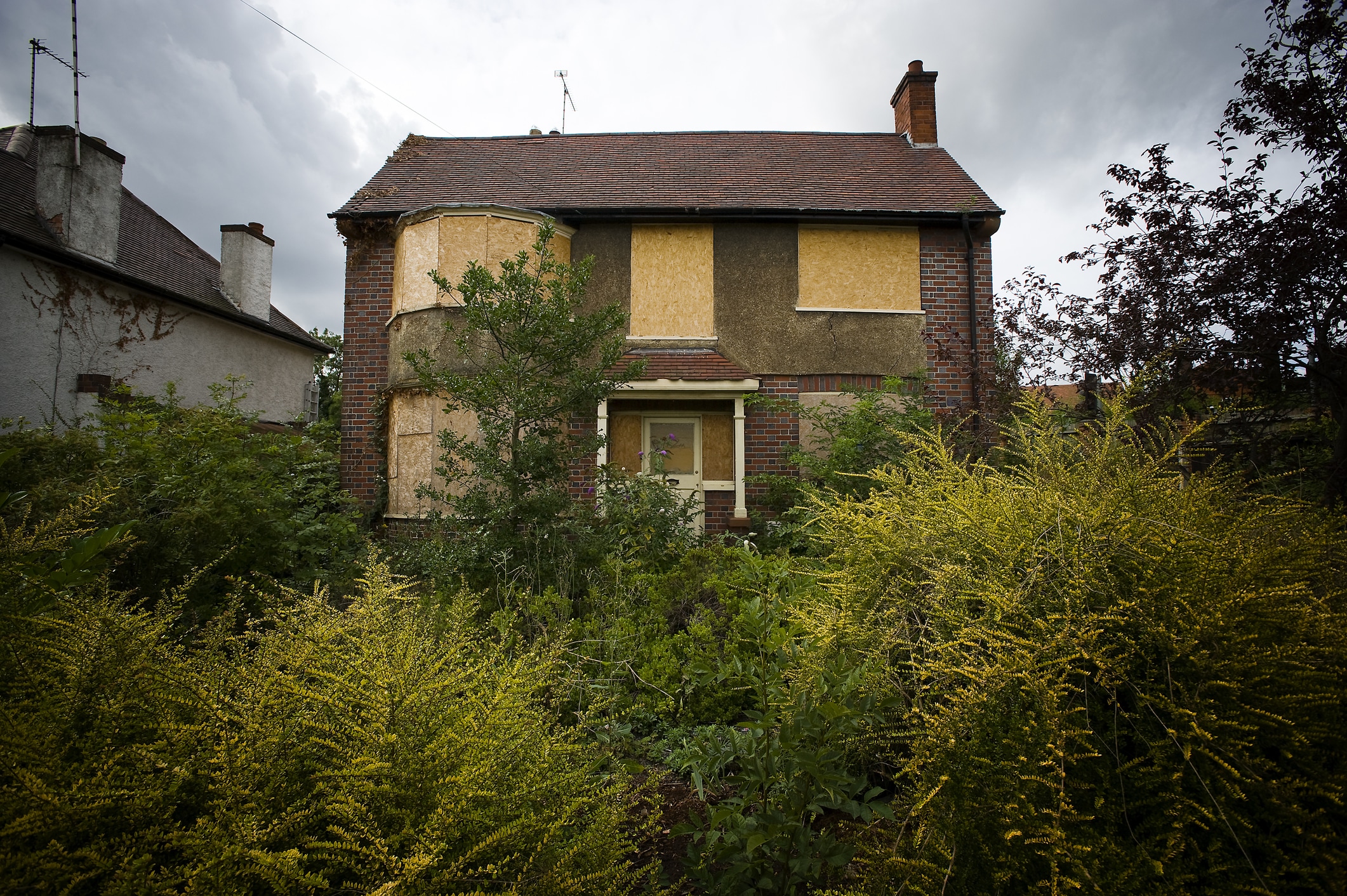
An empty property could end up hindering you instead of helping. Depending on your situation there are some options for how you deal with an empty property and what your next move should be. Many people will sell one property at the same time as buying another and be restricted by a buying chain but there are also many cases where for whatever reason property owners hold onto empty properties for a time. Some common reasons can be moving to a new area for work before you’ve had a chance to sell your house, being let down by a buyer or inheriting a property.
Potential costs over winter
Winter will pose potential issues for you and your property, either financially or structurally. When the temperature drops most homeowners will turn the heating on and if your property’s empty over the winter it’s worth regularly maintaining some heat in the structure. It doesn’t need to be a comfortable temperature the whole time but periodically heating your empty property can help to ward off damp in particular areas of the building. Adequate ventilation can also help to ensure that any moisture in the air can escape. Regular heating and ventilation are key to improving your chances of avoiding issues with damp.
Heating of course costs a lot more than it used to and although an empty property won’t be using as much as an occupied one it will still be used sporadically. If possible try and secure a zero standing charge tariff from your energy company. This will ensure you only pay for the energy you use and not a daily tariff, although you may pay a higher unit price.
Other utilities to consider are phone and broadband. If you are selling the property these accounts can be closed off, or transferred to a new property. If you’re planning on traditionally renting you could include phone and broadband in the monthly tenant fee but you would need to pay for it while it’s empty. For an Airbnb rental you would want to retain the broadband as it’s commonly expected.
Freezing pipes
In cold winters in the UK we can sometimes experience the hassle of freezing pipes. When the temperature drops below zero any water in the pipes can end up freezing and or bursting, causing damage and expense. For occupied properties it’s a risk but doubly so for ones left empty. In an ideal world it would be possible to just leave the heating on at a certain level and let that keep the house and the pipes warm. But with heating costs seemingly always on the rise this will not be a popular option for most people.
Insulating the pipe can be a relatively low cost option to help pipes not freeze, compared to the cost of replacing burst pipes and subsequent water damage. If you are not particularly handy at DIY you could hire a plumber to carry out the job, as it could save you money in the long run.
Mould
Mould is another issue that can occur in empty houses. When air ceases to circulate it can cause damp and mould. It can be a familiar smell when walking into a property that’s been vacant for a while. If you can head off damp before it makes an impact on your property you will have a good chance of preventing mould as it thrives on wet and damp conditions.
Double council tax charges
There are lots of reasons for properties to be empty. Sometimes home-owners are in the process of moving and have not sold their house yet. In other cases an owner may be between tenants. Councils understand that there may be some fluctuation with some homes being empty for a period. Normally empty properties are charged council tax but it may be possible to secure a discount when you know a property will be empty for a time. Councils have the option of offering discounts but this is down to the individual council.
If your property has been empty for over two years you can be charged extra, up to double the amount you would normally pay. There are also council tax exemptions for a range of situations including low income, shared accommodation, studying and mental impairment.
The conditions are different in Scotland than the rest of the UK and it’s a good idea to check your specific area council for specific details.
For second homes similar rules apply. Councils can provide discounts for second homes but this is again down to the individual council.
Difficulty selling?
If your property has been on the market for a while and you’re not receiving any offers that you’re happy with we can help. We offer a no-obligation property valuation plus an offer to buy.


